Understand home electrical safety before you touch a wire.
NorthCrateHouse is a reading reference for homeowners and apprentices in Canada. It explains grounding, panel and breaker basics, and where the Canadian Electrical Code draws the line between a do-it-yourself task and licensed work.
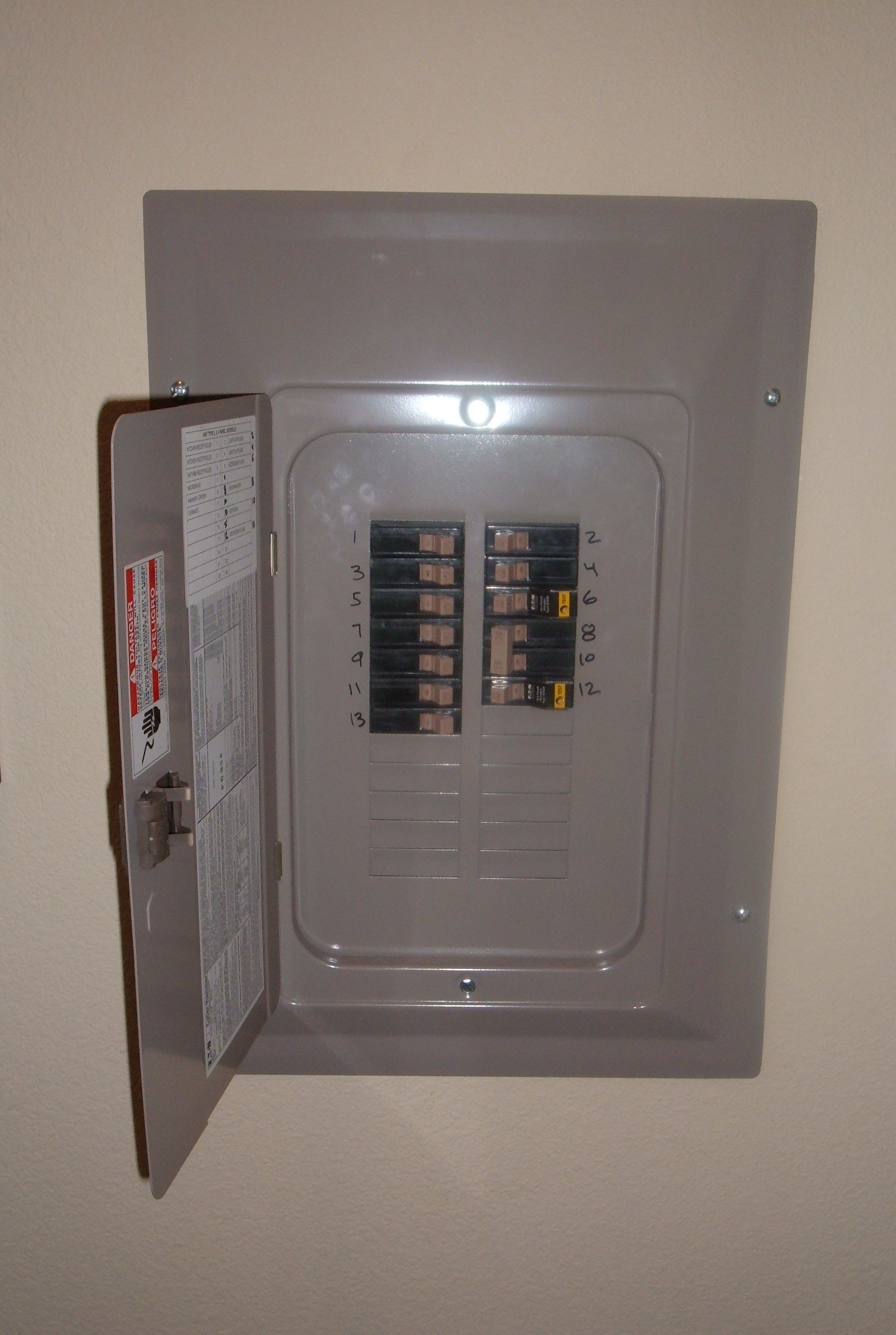
Three areas that account for most household electrical risk.
Each guide stays close to the Canadian Electrical Code and points to where a permit or a licensed electrician is normally required.

Grounding and bonding, in plain terms
Why a grounding electrode and bonded metal parts give fault current a safe path back to the source.
Read the guide
What a breaker actually protects
How panels, breakers, and conductor sizes work together, and why a breaker protects the wire rather than the appliance.
Read the guide
GFCI and AFCI protection explained
What ground-fault and arc-fault devices detect, and the rooms where Canadian rules commonly call for them.
Read the guideSafety habits that apply before any specific code rule.
These hold regardless of the room or the device. They are the baseline that the rest of the site builds on.
- Treat every conductor as live until it is tested dead at the point of work.
- De-energize the circuit at the breaker and verify with a tester you trust.
- Match conductor size to the breaker rating, never the other way around.
- Keep grounding and bonding connections tight, clean, and continuous.
- Know which tasks your province reserves for a licensed electrician.
In Canada, residential electrical installations are governed by the Canadian Electrical Code, Part I, published by CSA Group and adopted, sometimes with amendments, by each province and territory. The code sets the minimum requirements for a safe installation.
Permits and inspections are handled by the provincial or territorial authority having jurisdiction, such as the Electrical Safety Authority in Ontario or Technical Safety BC in British Columbia.
A breaker, a conductor, and a load.
Conductor sizing depends on insulation type, installation method, and ambient conditions. The pairing above is a common residential starting point, not a substitute for the ampacity tables in the code.
Questions about the material on this site?
Use the form to send a note about the reference content. This form runs entirely in your browser for a static site and does not transmit data anywhere.
- General
- editor@northcratehouse.org
- Subject focus
- Residential electrical safety in Canada
- Regulatory questions
- Contact your provincial authority having jurisdiction
For permits, inspections, or licensing, contact your provincial or territorial electrical safety authority directly. This site cannot authorize or inspect work.